Crossing Borders investigates the moral and political questions raised by migration in a world structured by unequal borders, historical injustice, and the enduring effects of colonialism and slavery.
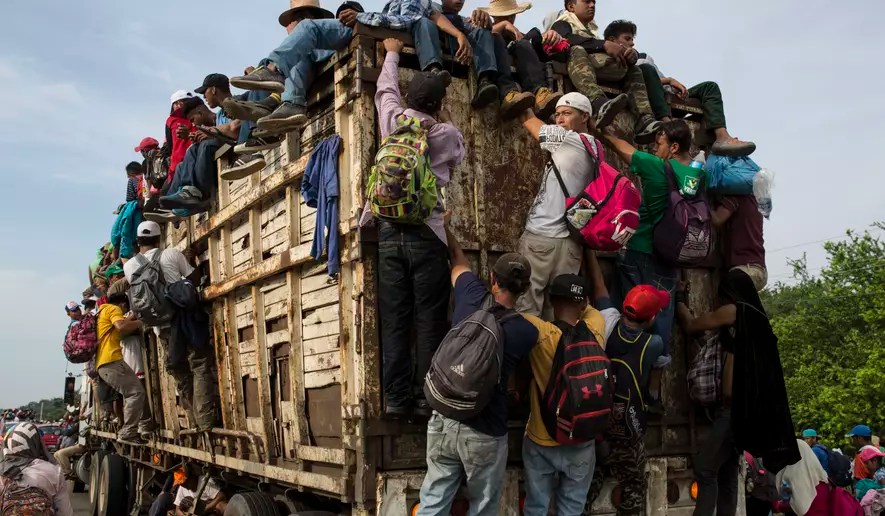
Its central aim is to examine the dilemmas that arise when sovereign states assert the right to control their borders while migrants deemed undesirable face exclusions rooted in global and historical inequalities.
By placing Latin America, and Brazil in particular, at the center of this reflection, the project challenges dominant approaches to migration ethics, which typically take the Global North as their implicit point of departure.
The project’s key theoretical contribution lies in connecting debates on migration justice with reparative frameworks and critical accounts of colonial and racialized border regimes, in order to rethink what fairness demands in the governance of human mobility.
“To develop less biased understandings of migration justice, [we] should revise our methods and our conceptual frameworks so as to enable exploring the possible extent and ethical implications of colonial and neo-colonial influence.”